January 6, 2026 Updates
1767701337000
What's New in Our Catalog
Newest Releases
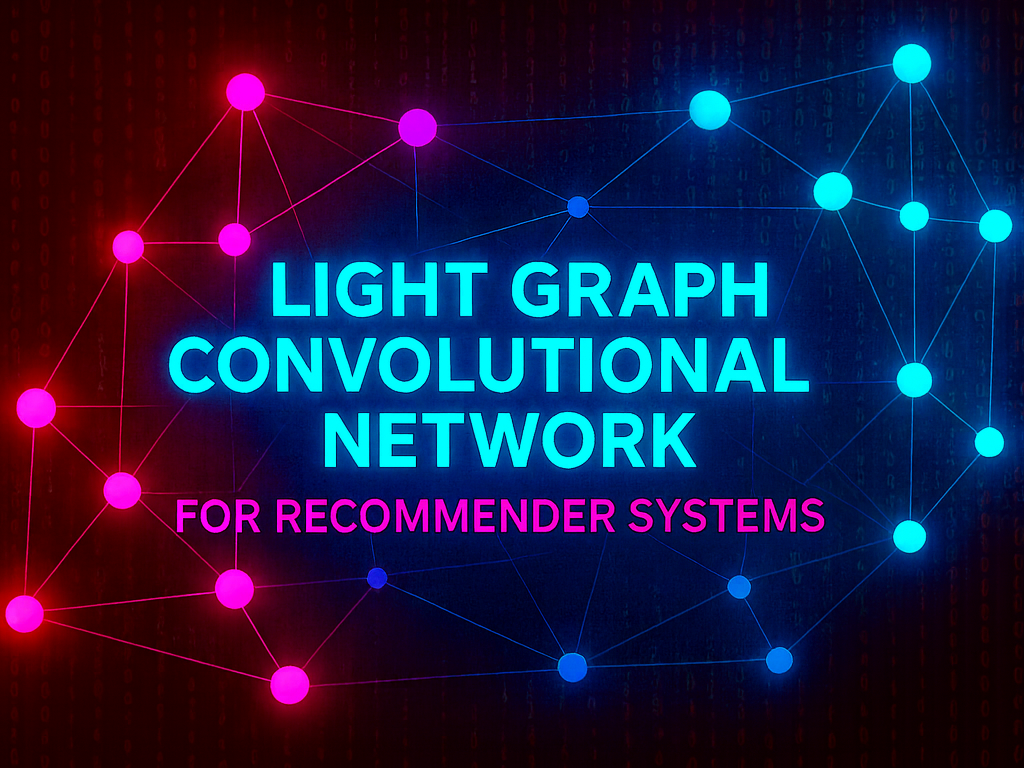 Light Graph Convolutional Network for Recommender Systems | View in the Skills Network Catalog
Learn how to build a recommender system using Graph Convolutional Networks (GCN) with the LightGCN model. In this guided project, you’ll construct a user–item interaction graph, implement LightGCN in PyTorch, and evaluate it using Recall@K and NDCG@K. By the end, you’ll understand the theoretical foundations of LightGCN and apply it effectively to real recommendation tasks. You will also explore how message passing captures multi-hop collaborative signals, gaining a complete practical workflow for modern graph-based recommendation while learning to analyze embedding behavior in depth.
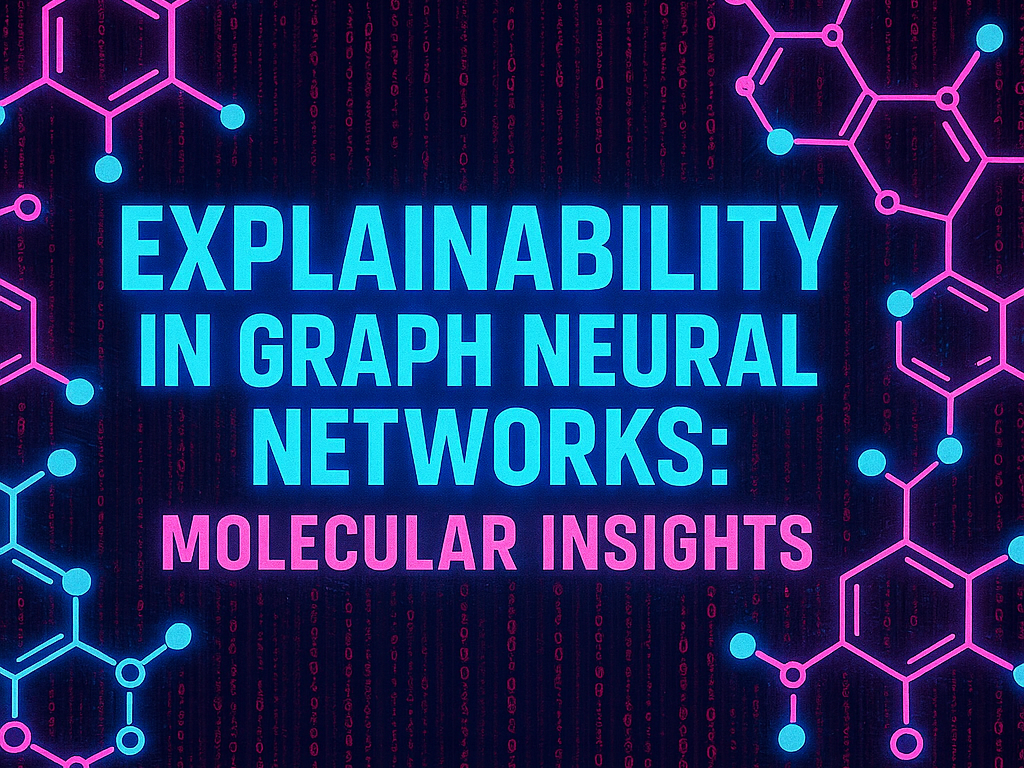 Explainability in Graph Neural Networks: Molecular Insights | View in the Skills Network Catalog
Explaining how Graph Neural Networks reason is essential for validating their structural understanding. This project examines GNNExplainer for revealing which graph components drive model behavior, analyzing influential nodes, edges, and functional motifs, and evaluating explanation faithfulness through principled sparsification and substructure tests. The explainability method is applied to molecular graphs in the MUTAG dataset to uncover which atomic interactions and functional groups most strongly drive mutagenicity predictions, linking model reasoning to meaningful chemical insights.
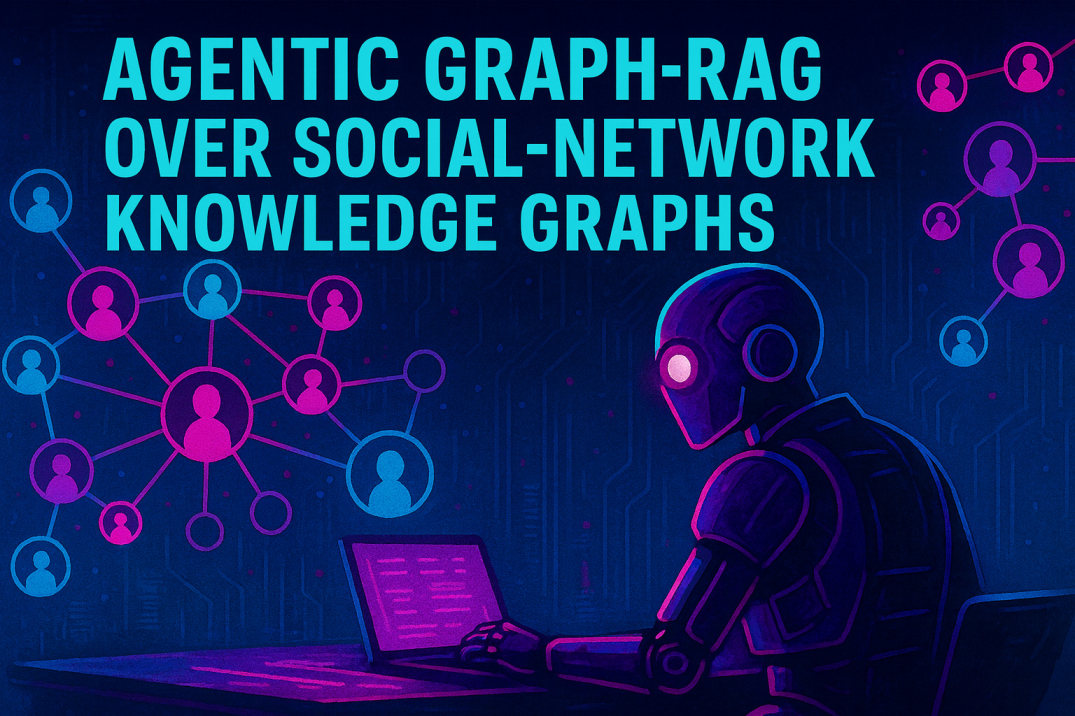 Agentic Graph-RAG Over Social-Network Knowledge Graphs | View in the Skills Network Catalog
Learn how to build an AI agent that retrieves, ranks, and summarizes information from a social-network graph. This guided project introduces a lightweight Graph-RAG workflow and demonstrates how an agent can combine graph structure, ranking logic, and AI reasoning to generate clear, data-driven insights. By working through each step, you will gain practical experience with graph-based retrieval and understand how modern AI systems navigate and interpret connected data. You will also learn how each component works together in an end-to-end agentic pipeline, giving you stronger foundation.